
Understanding Modular Connectors Systems
A modular connectors system consists of individual connector modules that can be combined within a common housing. Each module serves a specific function, such as power transmission, signal transfer, data communication, fiber optics, or pneumatic connections. By integrating multiple functions into a single connector assembly, modular systems simplify complex wiring requirements and improve overall system efficiency.
These systems are widely used in industries where equipment configurations frequently change or where future expansion is anticipated.
Greater Design Flexibility
One of the biggest advantages of modular connectors systems is their exceptional design flexibility.
Traditional connectors often require separate interfaces for power, signal, and data connections. Modular systems allow these functions to be combined into a single customized connector assembly. Engineers can select only the modules required for a particular application, creating a solution that perfectly matches operational needs.
This flexibility helps manufacturers:
- Adapt to changing project requirements
- Simplify equipment design
- Reduce connector inventory
- Support multiple product variations
As technologies evolve, new modules can often be added without redesigning the entire connection system.
Simplified Installation
Installation efficiency is critical in industrial and commercial environments. Modular connectors systems significantly reduce installation time by consolidating multiple connections into a single interface.
Benefits include:
- Faster assembly processes
- Reduced wiring complexity
- Easier equipment setup
- Lower labor costs
Instead of connecting numerous individual cables and connectors, technicians can make a single connection that integrates multiple circuits and communication channels.
This streamlined approach is particularly valuable in production lines, control cabinets, robotics systems, and automated machinery.
Improved Maintenance and Serviceability
Maintenance becomes much easier with modular connector systems.
When a component fails, technicians can often replace only the affected module rather than the entire connector assembly. This reduces downtime and minimizes maintenance expenses.
Key maintenance advantages include:
- Quick troubleshooting
- Easy module replacement
- Reduced spare parts inventory
- Faster repair cycles
For mission-critical applications, minimizing downtime can result in significant cost savings and improved operational efficiency.
Enhanced Scalability
Businesses often need systems that can grow with their operations. Modular connectors systems offer excellent scalability because additional functions can be incorporated without major redesigns.
For example:
- Adding new communication channels
- Integrating additional sensors
- Expanding power distribution
- Supporting upgraded equipment
This scalability makes modular connectors particularly attractive for industries experiencing rapid technological development.
Space-Saving Design
Modern equipment is becoming increasingly compact. Modular connectors systems help maximize available space by combining multiple connection types into a single housing.
Advantages include:
- Reduced panel space requirements
- Smaller equipment footprints
- Cleaner cable management
- Improved system organization
In applications such as industrial control panels, medical devices, and transportation systems, efficient space utilization can be a major design advantage.
Increased Reliability
High-quality modular connectors systems are engineered to deliver reliable performance under demanding operating conditions.
Features that contribute to reliability include:
- Secure locking mechanisms
- Durable contact materials
- Vibration resistance
- Corrosion protection
- Environmental sealing options
By reducing the number of separate connection points, modular systems can also decrease potential failure locations within the overall electrical architecture.
Cost Efficiency Over Time
Although the initial investment may sometimes be higher than standard connectors, modular connectors systems often provide lower total ownership costs.
Long-term savings come from:
- Reduced installation labor
- Lower maintenance expenses
- Simplified inventory management
- Easier future upgrades
- Extended service life
For companies operating large-scale equipment or production facilities, these savings can become substantial over the lifespan of the system.
Support for Multiple Technologies
Modern industrial environments frequently require various types of connections within a single machine or system.
Modular connectors systems can integrate:
- Power connections
- Signal transmission
- Ethernet communication
- Fiber optic channels
- Coaxial connections
- Pneumatic interfaces
This multi-function capability eliminates the need for multiple connector assemblies and simplifies overall system architecture.
Better Customization Options
Every application has unique requirements. Modular connectors systems allow manufacturers to create highly customized solutions without developing entirely new connector platforms.
Customization options may include:
- Different contact arrangements
- Specific voltage ratings
- Specialized environmental protection
- Unique mounting configurations
- Industry-specific requirements
This adaptability makes modular connectors suitable for both standard and highly specialized applications.
Future-Proof Connectivity Solutions
Technology changes rapidly, and equipment often requires upgrades throughout its operational life. Modular connectors systems provide a future-ready solution because new modules can be integrated as requirements evolve.
Organizations benefit from:
- Easier technology upgrades
- Reduced redesign costs
- Longer equipment lifecycles
- Improved return on investment
This future-proofing capability is one reason why modular connector systems are increasingly adopted across industrial, automotive, aerospace, telecommunications, and renewable energy sectors.
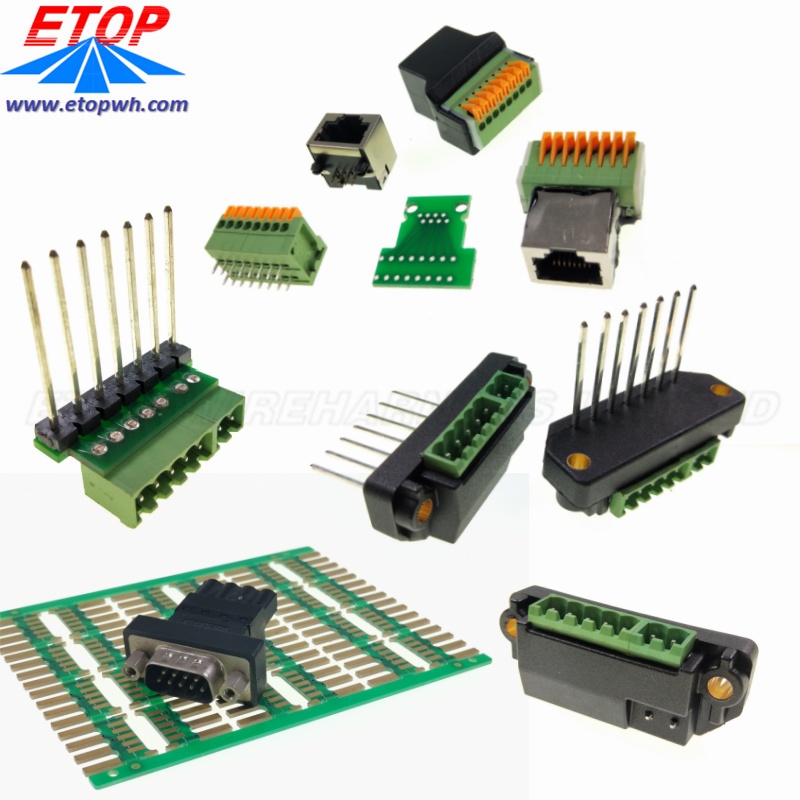
The advantages of modular connectors systems include greater flexibility, simplified installation, easier maintenance, enhanced scalability, improved reliability, and long-term cost savings. By combining multiple connection functions into a single customizable interface, these systems help organizations optimize performance while preparing for future technological advancements.
As industries continue to demand more efficient, compact, and adaptable connectivity solutions, modular connectors systems will remain a critical component in modern electrical and electronic applications.