

Understanding the Structure of Custom Molded Cables
A Custom Molded Cable is a cable assembly created through an overmolding process, where the connector and cable are integrated into one unit. This design helps provide additional protection at connection points while maintaining stable electrical performance.
A typical Custom Molded Cable consists of several components, including conductors, insulation layers, shielding materials, outer jackets, connectors, and molded sections. Each component needs to be carefully selected according to the working environment, electrical requirements, and mechanical conditions.
The manufacturing process focuses on ensuring that every part works together properly to create a complete cable solution.
Step 1: Cable Design and Requirement Analysis
Before production begins, manufacturers first analyze the customer’s requirements. This stage is important because different applications may require different cable structures and specifications.
Engineers usually evaluate factors such as:
- Cable length and diameter
- Voltage and current requirements
- Connector type
- Installation environment
- Flexibility requirements
- Temperature resistance
- Protection requirements
Based on these details, manufacturers create a suitable design for the Custom Molded Cable. For OEM customers, the design stage helps ensure the cable can fit perfectly with the final product.
Step 2: Material Selection
Selecting the right materials is an important part of producing high-quality Custom Molded Cables. Different materials affect the cable’s flexibility, durability, and performance.
Common materials include:
- PVC for general cable applications
- TPU for flexible and abrasion-resistant designs
- Silicone for applications requiring temperature resistance
- TPE for flexible cable solutions
The molding material used around connectors also needs to match the application environment. For example, equipment used outdoors may require materials with better resistance to moisture and environmental changes.
Step 3: Wire Cutting and Preparation
After the design is confirmed, the cable production process begins with wire preparation. The cable is cut to the required length, and the outer jacket is removed carefully to expose the internal conductors.
During this stage, manufacturers prepare the wire ends for connector installation. The process may include stripping, crimping, soldering, or terminal installation depending on the connector design.
Accurate wire preparation helps maintain proper electrical connections and improves the consistency of the final product.
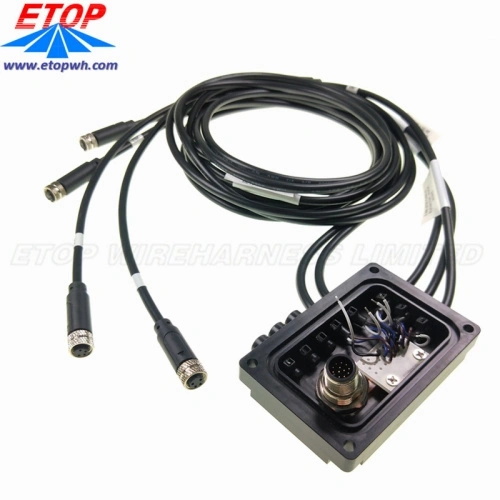
Step 4: Connector Assembly
The next step is assembling the connector with the cable. This process requires precise handling to ensure each wire is connected correctly according to the design specifications.
In a Molded Cable Assembly, the connector plays an important role in signal transmission and equipment compatibility. Manufacturers must check wiring positions, connection strength, and electrical performance before moving to the molding stage.
For customized projects, connector types can be adjusted according to customer requirements, including different shapes, pin configurations, and connection methods.
Step 5: Injection Molding Process
Injection molding is the key step that makes Custom Molded Cables different from traditional cable assemblies.
During this process, the connected cable and connector are placed into a mold. The selected molding material is injected around the connection area, creating a protective outer layer.
The molded section helps strengthen the connection between the cable and connector while providing additional mechanical support. It can also improve the overall appearance and make installation easier for end users.
The molding temperature, pressure, and production parameters need to be carefully controlled to achieve consistent results.
Step 6: Quality Inspection and Testing
After molding, every Custom Cable Assembly should go through inspection and testing procedures before delivery.
Common testing items include:
- Electrical continuity testing
- Insulation testing
- Connector inspection
- Appearance inspection
- Mechanical strength testing
These inspections help identify potential issues during production and ensure the finished cable meets customer specifications.
For industries such as medical equipment, industrial automation, and electronic devices, quality control is an important part of maintaining stable product performance.
Applications of Custom Molded Cables
Due to their flexible design and customized features, Custom Molded Cables are used in many industries, including industrial machinery, robotics, automotive systems, medical devices, communication equipment, and electronic products.
Manufacturers often choose customized cable solutions because they can meet specific installation requirements and provide better compatibility with different devices.
A well-designed Molded Cable Assembly can simplify equipment wiring and support efficient production processes.
Choosing a Custom Cable Assembly Manufacturer
When selecting a supplier, companies should consider the manufacturer’s design capabilities, production experience, customization options, and testing procedures.
An experienced Custom Cable Assembly manufacturer can provide support from initial design consultation to final production, helping customers develop cable solutions that match their product requirements.
Conclusion
The manufacturing process of Custom Molded Cables includes design planning, material selection, wire preparation, connector assembly, injection molding, and quality testing. Each step plays an important role in creating a reliable cable solution.
Through customized production methods, Custom Molded Cable products can meet the different needs of various industries. For businesses requiring specialized wiring solutions, working with an experienced manufacturer can help create suitable Molded Cable Assembly and Custom Cable Assembly products for their applications.