

The materials used in a connectors system depend on its electrical, mechanical, and environmental requirements. Conductive parts are commonly made from copper alloys such as brass, phosphor bronze, or beryllium copper because they provide excellent conductivity and durability. Connector housings are typically manufactured from engineering plastics like PA66, PBT, or PPS for insulation and heat resistance. Stainless steel, aluminum, or zinc alloy may be used for shells or locking mechanisms to improve strength and corrosion resistance. High-performance connectors can also include silicone seals, gold or tin plating, and specialized insulating materials to ensure reliable operation in industrial, automotive, medical, and automation applications.
What Materials Are Used in Connectors Systems?
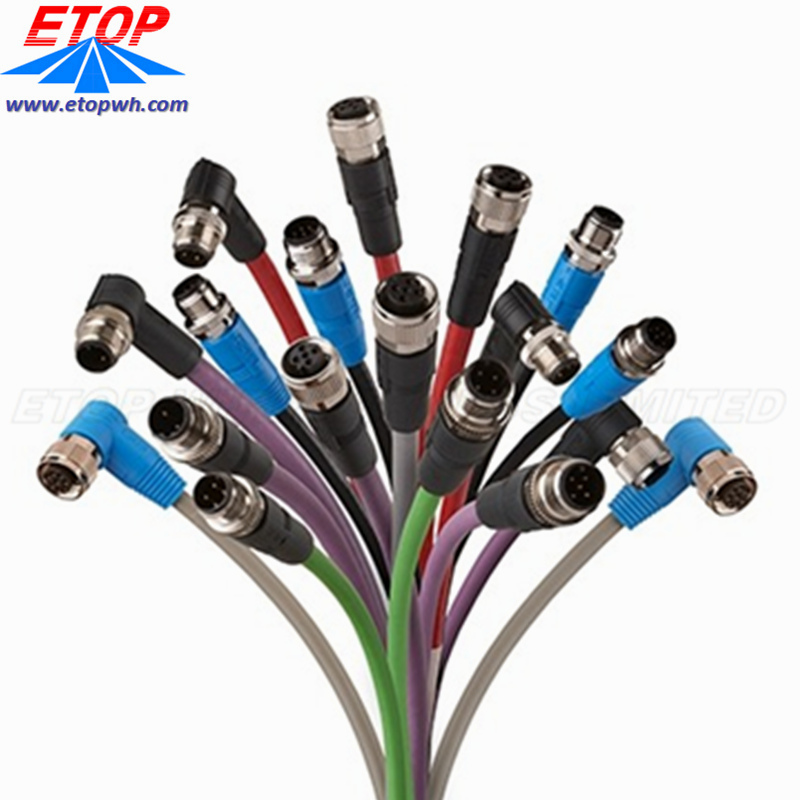
A connectors system is much more than a simple electrical connection. It is a complete assembly designed to transmit power, signals, or data while maintaining stable performance under different operating conditions. Whether it is used in industrial automation, robotics, medical equipment, transportation, or telecommunications, the materials selected directly affect durability, conductivity, safety, and service life.
A professional Connectors System Manufacturer carefully selects materials based on current capacity, environmental exposure, vibration resistance, and expected lifespan. Different industries require different material combinations, making material selection one of the most important aspects of connector design.
Conductive Materials
Conductive components form the electrical pathway inside an Electrical Connectors System. Their performance determines voltage drop, current capacity, and long-term reliability.
Brass
Brass is one of the most widely used connector materials because it offers:
- Good electrical conductivity
- High mechanical strength
- Easy machining
- Cost-effective production
It is commonly found in industrial connectors, terminal blocks, and power distribution connectors.
Phosphor Bronze
Phosphor bronze provides better elasticity than brass, allowing connector contacts to maintain consistent contact pressure after repeated mating cycles.
Advantages include:
- Excellent spring properties
- Better fatigue resistance
- Stable electrical performance
- Long service life
Many Modular Connectors System designs use phosphor bronze contacts because they withstand frequent plugging and unplugging.
Beryllium Copper
For demanding applications, beryllium copper delivers outstanding performance.
Benefits include:
- High conductivity
- Exceptional spring force
- Excellent wear resistance
- Superior fatigue strength
Although more expensive, it is commonly used in aerospace, defense, and precision electronic equipment.
Metal Shell Materials
Some connectors require additional protection against mechanical damage and electromagnetic interference.
Stainless Steel
Stainless steel offers:
- Corrosion resistance
- High strength
- Long service life
- Attractive appearance
Outdoor equipment and harsh industrial environments commonly use stainless steel shells.
Aluminum Alloy
Aluminum provides:
- Lightweight construction
- Good heat dissipation
- Excellent corrosion resistance
Many portable industrial devices use aluminum connector housings.
Zinc Alloy
Zinc alloy combines:
- Easy casting
- Good strength
- Competitive cost
It is widely used for medium-duty industrial connectors.
Contact Plating Materials
Even the best base metal requires surface treatment to improve conductivity and corrosion resistance.
Gold Plating
Gold provides:
- Excellent conductivity
- Superior corrosion resistance
- Stable signal transmission
- Long mating life
Gold plating is preferred in medical, aerospace, and communication equipment.
Tin Plating
Tin is a cost-effective alternative.
Advantages include:
- Good solderability
- Reliable conductivity
- Lower manufacturing cost
Tin-plated contacts are widely used in general industrial products.
Silver Plating
Silver delivers:
- Extremely high conductivity
- Excellent high-current performance
- Good thermal conductivity
High-power electrical equipment often uses silver-plated contacts.
Sealing Materials
Many connectors require environmental protection.
Common sealing materials include:
- Silicone rubber
- EPDM rubber
- Fluorocarbon rubber
These materials protect against:
- Dust
- Water
- Oil
- Chemicals
- Temperature fluctuations
Choosing Materials for Different Applications
Material selection depends on the application rather than using one universal solution.
Industrial automation often requires corrosion-resistant housings and durable copper alloy contacts.
Automotive applications demand lightweight materials with excellent vibration resistance.
Medical equipment prioritizes precision, cleanliness, and reliable electrical performance.
Outdoor installations benefit from stainless steel shells and waterproof sealing materials.
A Custom Connectors System allows manufacturers to combine different materials according to customer requirements, ensuring the connector performs reliably under unique operating conditions.
Why Material Selection Matters
The right material combination offers several important benefits:
- Longer service life
- Lower maintenance costs
- Better electrical performance
- Improved corrosion resistance
- Higher mechanical strength
- Enhanced safety
- Greater reliability
A trusted Connectors System Manufacturer evaluates electrical load, environmental conditions, operating temperature, installation requirements, and expected service life before recommending the most suitable materials.
Every component inside a connectors system contributes to overall performance. Copper alloys ensure efficient conductivity, engineering plastics provide insulation, metal shells improve mechanical protection, and advanced plating enhances durability. Selecting appropriate materials is essential for achieving reliable performance across industrial automation, transportation, communications, robotics, and electronic equipment. Whether choosing a standard Electrical Connectors System, a flexible Modular Connectors System, or a fully Custom Connectors System, understanding material characteristics helps ensure long-lasting and dependable connections.