
This article explains how custom molded cables are used in automotive applications and why they are an important part of vehicle engineering.
What Are Custom Molded Cables?
Custom molded cables are cable assemblies that feature a protective molded layer around the connector and cable junction. This is typically achieved through injection molding or overmolding processes, creating a sealed and reinforced structure.
This design improves:
- Mechanical strength
- Vibration resistance
- Moisture protection
- Electrical insulation
- Strain relief
These properties make them suitable for demanding automotive environments.
Why Automotive Applications Require Custom Molded Cables
Automotive systems operate under challenging conditions such as:
- Continuous vibration
- Temperature extremes
- Exposure to oil, fuel, and chemicals
- Moisture and road debris
- Mechanical stress over long service periods
Standard cables are often not sufficient in these conditions, particularly at connector points where failures commonly occur. Custom molded cables reinforce these weak points.
Applications in Automotive Systems
Custom molded cables are used across multiple vehicle subsystems.
Engine Control Systems
Engine compartments expose components to high temperatures and vibration. Molded cables are used for:
- Sensors such as temperature and pressure sensors
- Engine control units
- Fuel injection systems
They ensure stable signal transmission under harsh conditions.
Battery and Power Systems
Electric and hybrid vehicles depend heavily on reliable power connections:
- Battery management systems
- Charging interfaces
- Power distribution units
Custom molded cables help ensure stable energy transmission and safety.
Infotainment and Communication Systems
Modern vehicles integrate advanced electronic systems:
- Display units
- Audio systems
- Navigation modules
- Connectivity interfaces
Molded cables maintain signal stability and reduce connection failures.
Lighting Systems
Automotive lighting requires reliable electrical connections:
- Headlights
- Taillights
- Interior lighting
- Signal systems
Molded protection prevents damage caused by moisture and vibration.
Safety and Sensor Systems
Safety systems rely on precise and reliable signal transmission:
- Airbag systems
- Parking sensors
- ADAS systems
- Camera modules
Any failure in these systems can have serious consequences, making durable cables essential.
Advantages in Automotive Applications
Vibration Resistance
Prevents loosening or failure of connector joints.
Temperature Resistance
Performs reliably under both engine heat and cold environments.
Waterproof Protection
Suitable for external vehicle applications exposed to rain and washing.
Chemical Resistance
Withstands exposure to oil, fuel, and cleaning agents.
Long-Term Reliability
Reduces maintenance and improves overall vehicle lifespan.
Role in Electric Vehicles
Electric vehicles increase demand for high-performance cable systems. Requirements include:
- High voltage insulation
- Thermal stability
- Compact design
- EMI shielding
Custom molded cables are widely used in EV battery systems, charging interfaces, and power distribution units due to these requirements.
Importance in Automotive Engineering
Not all automotive connections require molded cables, but critical systems depend heavily on them for safety and reliability. Connector failure in automotive environments can lead to system malfunction or safety risks.
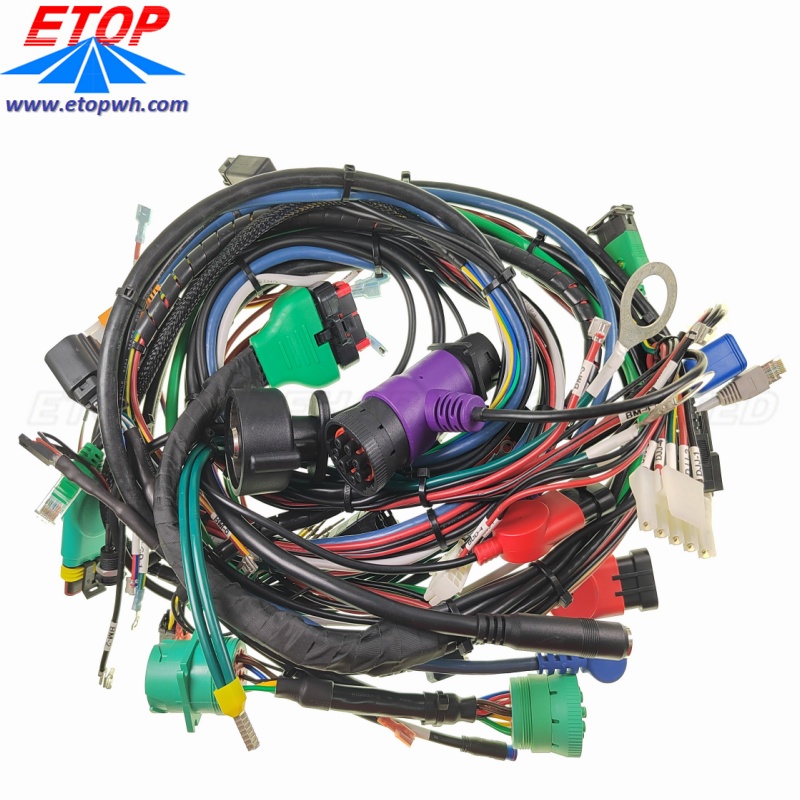
Custom molded cables are widely used in automotive applications and play a key role in modern vehicle systems. Their durability, environmental resistance, and electrical stability make them suitable for engine systems, electric vehicles, safety systems, and infotainment systems.
As vehicles become more electrified and software-driven, the importance of high-reliability custom molded cable assemblies continues to increase.